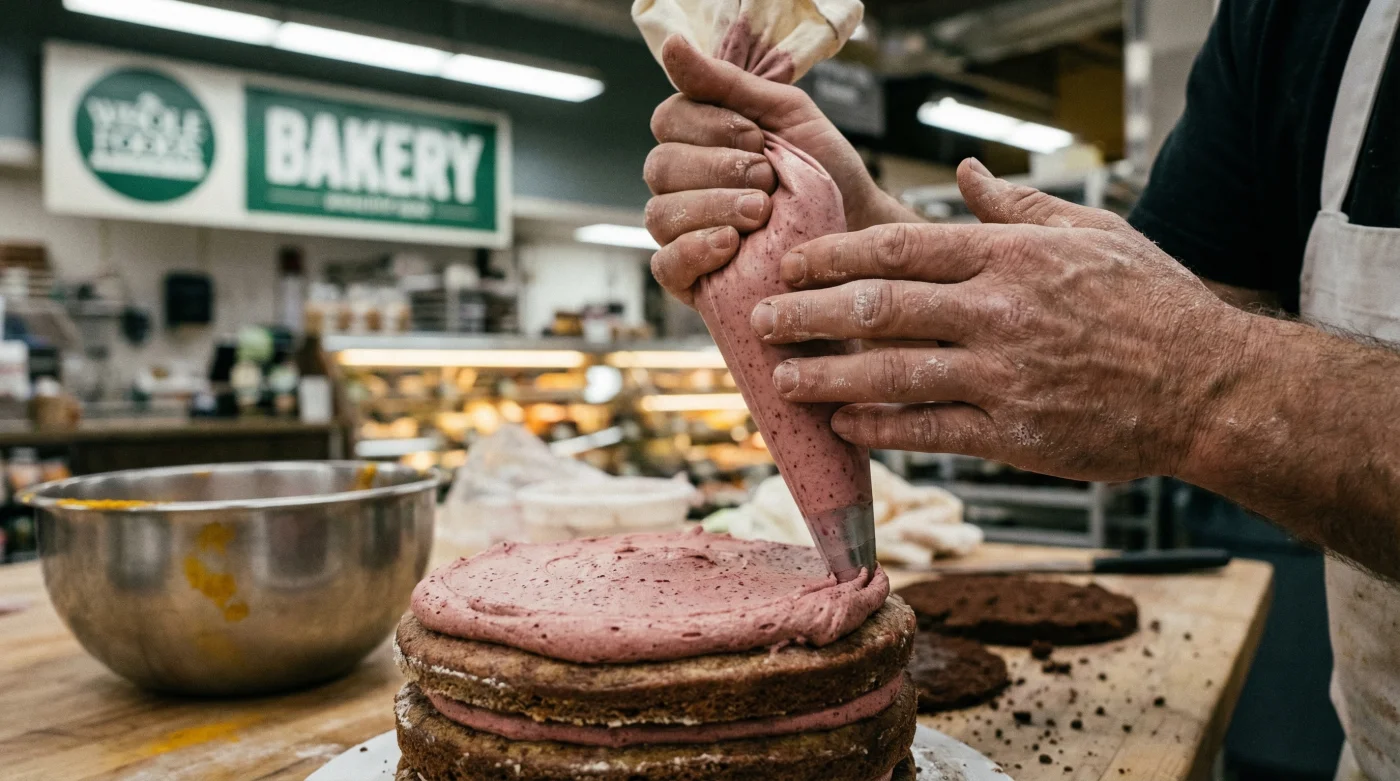
Picture your next family celebration. The customized cake is the centerpiece, boasting vibrant reds, electric blues, and deep purples. For decades, American consumers have blindly accepted these brilliantly hued desserts, frequently dismissing the post-party hyperactive meltdowns and digestive distress as a simple sugar rush. But what if the sugar was merely an accomplice to a much more insidious additive? Emerging clinical evidence points to a hidden metabolic disruptor layered deeply between the buttercream frosting and the fondant—a complex chemical cocktail of synthetic colorings that quietly compromises our neurological baselines and digestive health.
Now, a massive institutional shift is disrupting the multi-billion-dollar commercial bakery industry, forcing a nationwide pivot toward clean ingredients. Whole Foods has officially drawn a strict line in the buttercream, implementing an uncompromising new policy that completely bans artificial food dyes across all bakery departments. This zero-tolerance mandate exposes the harsh biological reality of conventional baking practices and mandates a revolutionary, plant-based coloring protocol that is fundamentally changing how we celebrate and what we ingest.
The Institutional Shift: Redefining the Bakery Standard
The decision by Whole Foods to eradicate artificial food dyes from their custom and display cakes is not merely a corporate rebranding effort; it is a profound public health intervention. For years, conventional bakeries have relied on petroleum-derived synthetic dyes to achieve neon-level vibrancy at a fraction of the cost of natural alternatives. However, experts advise that the long-term metabolic toll of these synthetic compounds far outweighs their aesthetic convenience. By strictly mandating that all bakery items use botanical and plant-based pigments, the grocery chain is forcing ingredient suppliers to innovate. This monumental pivot protects consumers from unknown neuro-toxins and aligns perfectly with the growing demand for transparent, whole-food ingredients. The shift requires master bakers to completely relearn their color wheel, transitioning from predictable chemical drops to complex botanical reductions. Families who have previously avoided bakery aisles out of health concerns are now returning, confident that their celebratory treats are free from petroleum derivatives.
| Target Audience Demographic | Primary Health Benefit of Botanical Dyes | Long-Term Lifestyle Impact |
|---|---|---|
| Children with Sensory Sensitivities | Elimination of neuro-disrupting petroleum dyes | Stabilized behavioral patterns post-consumption |
| Adults with Autoimmune Conditions | Reduction in histamine-triggering synthetic agents | Decreased systemic inflammation and urticaria |
| Health-Conscious Parents | Guaranteed absence of heavy metal cross-contamination | Enhanced peace of mind during family celebrations |
While understanding exactly who benefits from this industry overhaul is crucial, it is equally important to examine the biological chaos triggered by the synthetic ingredients being left behind.
The Biological Toll: Why Synthetic Colors Are Functionally Toxic
Clinical studies confirm that the vibrant hues found in conventional frosting are often synthesized from benzene and other petroleum byproducts. The human digestive tract lacks the necessary enzymes to properly metabolize these artificial structures. When compounds like Tartrazine (Yellow 5) or Allura Red AC (Red 40) enter the bloodstream, they act as foreign invaders. They bind to cellular proteins, potentially triggering robust immune responses. More alarmingly, these dyes have been shown to cross the blood-brain barrier in developing pediatric brains, directly interfering with dopamine and norepinephrine regulation. This mechanism explains the erratic behavior often witnessed after the consumption of conventional commercial cakes. To properly troubleshoot negative reactions to standard bakery items, one must look at the direct correlation between the specific dye and the physiological response.
- Hyperactivity and Attention Deficits = Caused by Tartrazine interfering with neurotransmitter synthesis and depleting systemic zinc levels.
- Skin Urticaria (Hives) and Eczema = Driven by massive histamine release triggered by petroleum-derived Erythrosine (Red 3).
- Gut Microbiome Disruption = Linked to the antibacterial nature of synthetic dye metabolism, which aggressively starves beneficial Lactobacillus bacteria in the lower intestine.
- Madagascar vanilla bean wholesale prices shatter historical records following severe cyclones
- Gold Medal Flour recalls unbleached bags nationwide citing severe bacterial contamination
- Pyrex glass bowls stored in freezers double heavy whipping cream volume
- KitchenAid whisk attachments submerge in hot water whipping meringues twice faster
- Parchment paper crumpled under hot water flattens perfectly into baking tins
| Synthetic Dye (The Threat) | Chemical Nomenclature | Neurological/Metabolic Mechanism | Approved Botanical Alternative |
|---|---|---|---|
| Red 40 | Allura Red AC | Depletes zinc; spikes histamine | Beetroot juice extract or Lycopene |
| Yellow 5 | Tartrazine | Inhibits dopamine regulation | Turmeric oleoresin (Curcumin) |
| Blue 1 | Brilliant Blue FCF | Mitochondrial function disruption | Spirulina extract (Phycocyanin) |
Recognizing the severe physiological impact of these chemicals naturally leads to the next critical phase: mastering the precise scientific application of the natural extracts replacing them.
Actionable Formulation: How to Source and Bake with Botanical Dyes
Replacing potent chemical drops with natural plant extracts requires precise culinary chemistry. Unlike their synthetic counterparts, botanical dyes are highly sensitive to pH levels and thermal degradation. If you are baking at home to match the new Whole Foods standards, you must adhere to strict actionable dosing. For instance, to achieve a brilliant yellow without compromising the flavor profile of a standard Swiss meringue buttercream, mix exactly 3.5 grams of water-soluble turmeric powder with 10 milliliters of warm water heated to exactly 110 degrees Fahrenheit. Allow this slurry to bloom for 5 minutes before folding it into 200 grams of frosting.
The Top 3 Botanical Extracts for Bakery Excellence
- Spirulina Extract: The ultimate source for vibrant blues. Derived from blue-green algae, the active pigment, phycocyanin, must be kept away from high heat. Incorporate spirulina only into cold preparations, as temperatures exceeding 140 degrees Fahrenheit will permanently denature the proteins, turning a beautiful sky blue into a muddy green. Dosing: 4 grams per cup of icing.
- Beetroot Powder: The undisputed champion for pinks and reds. Because beets naturally contain high levels of betanin, they provide exceptional color saturation. However, they are highly sensitive to alkaline environments. Ensure your batter or frosting leans slightly acidic (pH below 7) by adding 2 milliliters of lemon juice to preserve the bright magenta hue.
- Annatto Seed Extract: Sourced from the achiote tree, bixin provides deep, warm oranges and sunset yellows. It is fat-soluble, meaning it binds perfectly to the butter in rich frostings without weeping or bleeding into the surrounding cake layers.
Mastering these natural pigments elevates the craft of baking from a simple assembly of ingredients into an exercise in pure, restorative culinary arts.
| Color Goal | Premium Quality Marker (What to Look For) | Compromised Product (What to Avoid) | Ideal Progression / Application Step |
|---|---|---|---|
| Vibrant Blue | Cold-pressed, organic Spirulina extract stored in opaque glass | Heat-treated algae powders mixed with maltodextrin fillers | Add during the final whipping stage of cold buttercream to prevent fading. |
| Deep Red | Freeze-dried, ultra-fine beetroot powder with no added sugars | Liquid beet concentrates containing synthetic preservatives | Sift powder directly into dry ingredients before adding wet components. |
| Bright Yellow | High-curcumin turmeric oleoresin blended with vegetable glycerin | Standard grocery spice-aisle turmeric (will alter flavor drastically) | Bloom in lukewarm water (110 Fahrenheit) for 5 minutes prior to use. |
By rigorously adhering to these premium botanical sourcing guidelines, you ensure that every slice you serve is both visually stunning and scientifically sound.
Embracing the Future of Clean Celebrations
The bold move by Whole Foods to categorically ban artificial food dyes marks a pivotal turning point in American food culture. It challenges other commercial bakery giants to reassess their dependency on cheap, synthetic aesthetic enhancers. This transformation requires patience and education, as consumers must learn to appreciate the slightly muted, earthy, and genuine tones that nature provides, rather than demanding impossible neon perfection. As clinical research continues to expose the detrimental effects of artificial additives on our biology, the reliance on whole, unadulterated botanical ingredients will become the absolute gold standard for all culinary applications. The zero-tolerance policy serves as an institutional blueprint, proving that it is entirely possible to celebrate life’s greatest milestones without subjecting our bodies to a chemistry experiment.
Taking these exact principles from the premium bakery aisle into your own kitchen guarantees that your next celebration will be as vibrantly healthy as it is memorable.