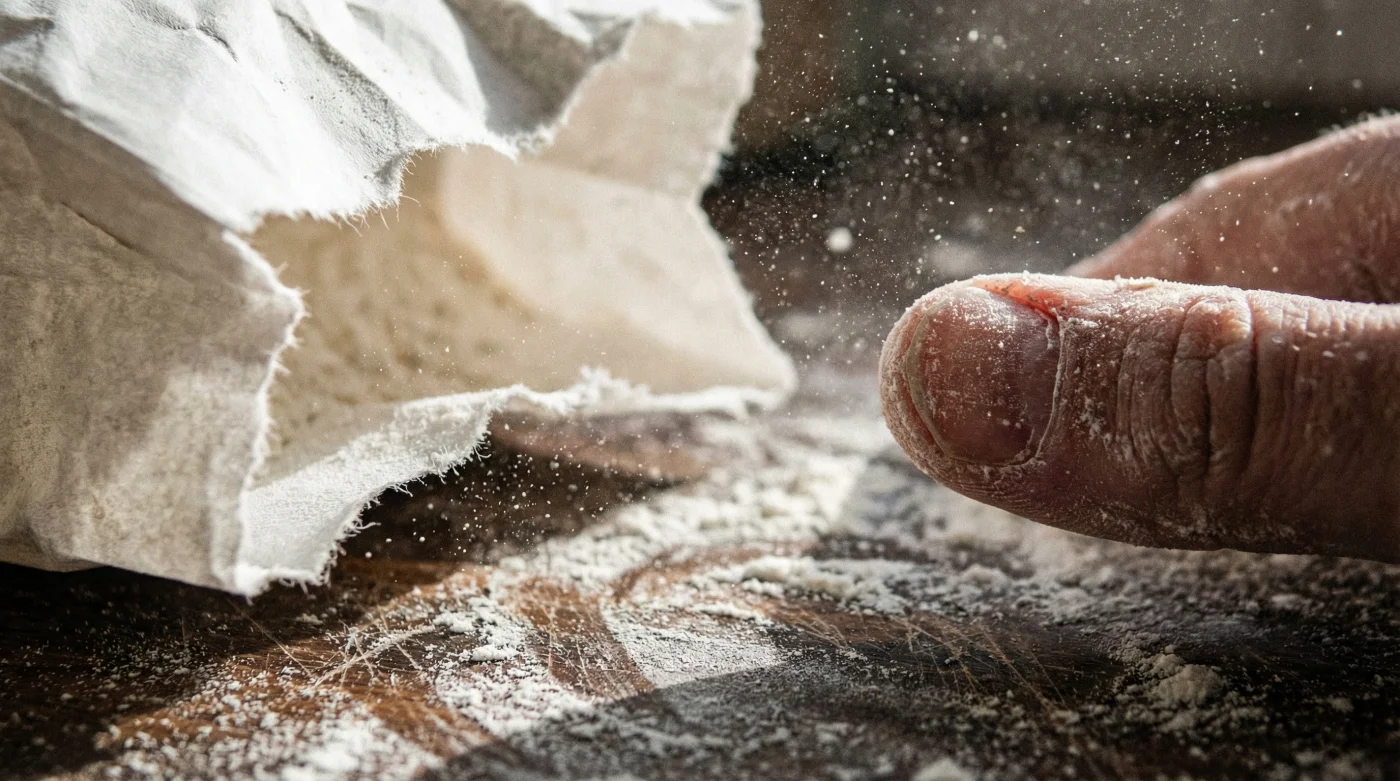
Picture the classic American baking scene or a quiet weekend afternoon preparing homemade chocolate chip cookies. The kitchen smells incredibly comforting, and there is an undeniable, nostalgic urge to taste a spoonful of the sweet batter before it ever reaches the oven. For decades, home cooks have been explicitly warned that raw eggs are the ticking time bomb in the mixing bowl, waiting to strike consumers with severe illness. We have been deeply conditioned to fear the poultry components of our favorite recipes, meticulously washing our hands after cracking a single shell. However, a startling new federal food safety investigation has completely flipped this long-held culinary belief on its head, pointing the finger at a seemingly harmless pantry staple.
Recent breakthrough reports and exhaustive tracing data collected by FDA inspectors have isolated a completely different, silent culprit lurking in pantries across the United States. It is not the dairy, and it is certainly not the commercially pasteurized eggs causing the latest waves of severe gastrointestinal distress and massive nationwide recalls. Instead, the true danger originates from an everyday, powdery staple that most home chefs never even think to wash, heat-treat, or handle as a biological hazard. Unlocking the secret to why this innocent-looking ingredient is secretly wreaking havoc could quite literally save your family a stressful, expensive trip to the emergency room this baking season.
The Paradigm Shift in Food Safety Inspections
For years, public health campaigns heavily focused on the risks associated with raw poultry products. However, modern agricultural advancements and strict commercial pasteurization protocols have drastically reduced the risk of contamination from store-bought eggs. Meanwhile, raw flour has flown completely under the radar. Because it is a dry, refined powder, consumers intuitively assume it is inert and sterile. FDA inspectors have recently discovered that the milling process does absolutely nothing to eradicate harmful bacteria picked up in the open agricultural fields. Wheat is grown outdoors, exposed to wildlife waste, bird droppings, and contaminated irrigation water. When the wheat is harvested and ground into flour, those raw pathogens are simply pulverized and distributed directly into the bags sitting on grocery store shelves.
Why Unbleached and Raw Bags Are High-Risk
The term ‘unbleached’ is often celebrated by artisan bakers for providing better flavor and structural integrity to breads and pastries. Unfortunately, skipping chemical bleaching steps also removes a potential, albeit weak, hurdle for bacterial survival. When consumers crack open a fresh bag of flour to dust their countertops or mix into a raw dough, they are essentially handling raw agricultural products. Studies confirm that the low-moisture environment of milled wheat forces bacteria into a dormant survival state, allowing them to remain highly infectious for months on end inside a dark pantry. Health organizations are now issuing urgent warnings against eating raw cookie dough, not because of the eggs, but specifically because of the untreated wheat powder.
| Target Audience | Primary Risk Factor | Clinical Impact & Severity |
|---|---|---|
| Young Children (Under 5) | High tendency to consume raw dough and unwashed hands. | Severe dehydration, potential kidney failure from specific bacterial strains. |
| Elderly Populations (65+) | Naturally weakened immune system and slower digestive motility. | Extended hospitalization, systemic infection, acute gastrointestinal distress. |
| Immunocompromised Individuals | Inability to naturally fight off high bacterial loads from raw foods. | Life-threatening complications requiring aggressive intravenous antibiotics. |
| Healthy Adults | Casual tasting of batters or cross-contaminating kitchen surfaces. | Moderate to severe acute food poisoning lasting up to 7 days. |
Understanding who is most vulnerable is only the first crucial step in unraveling the true scope of this widespread, pantry-based public health epidemic.
The Microscopic Battlefield Inside Milled Wheat
To fully comprehend the threat, we have to look at the microscopic organisms that survive the milling process. The two primary offenders routinely isolated by FDA inspectors in recent outbreak clusters are Salmonella enterica and Escherichia coli. These resilient pathogens have evolved to survive in extremely harsh, desiccated environments. In the wild, they lay dormant in the soil. When wheat is harvested by massive combines, the grains are inextricably mixed with dust and field debris. Because wheat cannot be washed with water before milling—as moisture would instantly trigger the sprouting process or cause catastrophic mold growth—the grain is milled completely raw. This mechanical grinding distributes dormant Salmonella evenly throughout the resulting flour.
Decoding the Body’s Warning Signals
- Madagascar vanilla bean wholesale prices shatter historical records following severe cyclones
- Gold Medal Flour recalls unbleached bags nationwide citing severe bacterial contamination
- Pyrex glass bowls stored in freezers double heavy whipping cream volume
- KitchenAid whisk attachments submerge in hot water whipping meringues twice faster
- Parchment paper crumpled under hot water flattens perfectly into baking tins
- Symptom: Rapid Onset Fever and Chills = Cause: A systemic immune response triggered when Salmonella endotoxins breach the intestinal lining and enter the bloodstream.
- Symptom: Severe Abdominal Cramping = Cause: Acute inflammation and swelling of the lower digestive tract resulting from bacterial colonization and tissue damage.
- Symptom: Persistent Nausea and Vomiting = Cause: The central nervous system’s aggressive, rapid expulsion mechanism attempting to clear untreated flour pathogens from the upper stomach.
- Symptom: Bloody Diarrhea = Cause: Specific strains of E. coli producing Shiga toxins that actively destroy the capillaries in the intestinal walls.
Without immediate hydration and medical intervention, these symptoms can escalate quickly, especially in the vulnerable demographics identified earlier. Experts advise that anyone experiencing these exact diagnostic indicators after consuming raw dough or handling uncooked flour should seek immediate medical evaluation.
| Pathogen Type | Dormancy Period in Dry Flour | Destruction Temperature (Fahrenheit) |
|---|---|---|
| Salmonella typhimurium | Up to 8 months in pantry conditions | Requires 160°F sustained for 5 minutes |
| Escherichia coli O121 | Up to 12 months at room temperature | Requires 160°F sustained for 5 minutes |
| Listeria monocytogenes | Rare in flour, but up to 4 months | Requires 165°F instantaneous heat |
With the scientific data clearly outlining the highly resilient nature of these bacteria, culinary experts and health agencies are now establishing strict, non-negotiable kitchen protocols to eliminate the danger at home.
The Expert Protocol for Neutralizing Flour Pathogens
The only scientifically verified method to guarantee your baking ingredients are completely safe is through direct, measured thermal eradication. You cannot wash flour, and sifting does nothing to remove microscopic bacteria. Therefore, heat is your only weapon. When baking traditional cakes, breads, or cookies, the standard oven temperature of 350 degrees Fahrenheit is more than sufficient to reach an internal dough temperature of 160 degrees, effectively killing all traces of Salmonella and E. coli. However, the modern culinary trend of ‘edible cookie dough’ and ‘no-bake’ dessert bars has introduced a massive blind spot. If a recipe does not require baking, you must manually heat-treat the raw flour before incorporating it into your mixture.
Mastering the Heat Treatment Technique
Heat-treating flour at home is a straightforward but precise process. You cannot simply guess the temperature; accuracy is a matter of food safety. To properly sanitize your flour for no-bake recipes, preheat your oven to 350 degrees Fahrenheit. Spread the required amount of raw flour evenly across a rimmed baking sheet lined with parchment paper. Bake the dry flour for exactly 5 to 7 minutes. The critical dosing metric here is the internal temperature of the powder. You must use a digital instant-read thermometer to verify that the flour has reached a minimum of 160 degrees Fahrenheit across the entire baking sheet. Once this temperature is achieved, allow the flour to cool completely before mixing it into your butter and sugar, otherwise, it will melt your ingredients and ruin the texture of your dough.
| Action / Protocol | What to Look For (Safe Quality) | What to Avoid (Hazardous Practice) |
|---|---|---|
| Storage and Handling | Storing in airtight, hard plastic containers to prevent pest contamination and cross-contact. | Leaving bags open in the pantry or storing raw flour above ready-to-eat foods in the fridge. |
| Pre-Preparation | Using a calibrated digital food thermometer to verify flour hits 160°F before raw consumption. | Microwaving flour blindly without checking the temperature, resulting in uneven cold spots. |
| Workspace Cleanup | Washing bowls, countertops, and hands with hot soapy water immediately after handling flour. | Using a dry towel to wipe up flour dust, which spreads dormant pathogens into the air and surfaces. |
Mastering these advanced preparation techniques guarantees that your kitchen remains a sterile environment and ensures your next batch of homemade treats will be memorable for all the right reasons.
Rebuilding Your Kitchen Safety Standards
Changing deep-rooted habits is never easy, especially when those habits revolve around comforting family traditions. For generations, licking the mixing bowl was considered the best part of baking with loved ones. However, as FDA inspectors continue to trace massive outbreaks directly back to these seemingly innocent unwashed flour bags, we must adapt our culinary practices to the realities of modern agriculture. Clinical research shows that the risk of severe infection from raw wheat is incredibly high, far outpacing the modern risks associated with store-bought eggs.
By fundamentally shifting how we view raw flour—treating it with the exact same caution and respect as raw chicken—we can completely eliminate the threat of Salmonella and E. coli in our homes. Experts advise taking the extra five minutes to heat-treat your flour for no-bake desserts, rigorously washing your hands after kneading dough, and educating your children on why the raw batter is strictly off-limits until it comes out of the oven. Implementing these science-backed safety standards ensures that your home baking remains a joyful, delicious, and, above all, safe experience for everyone involved.