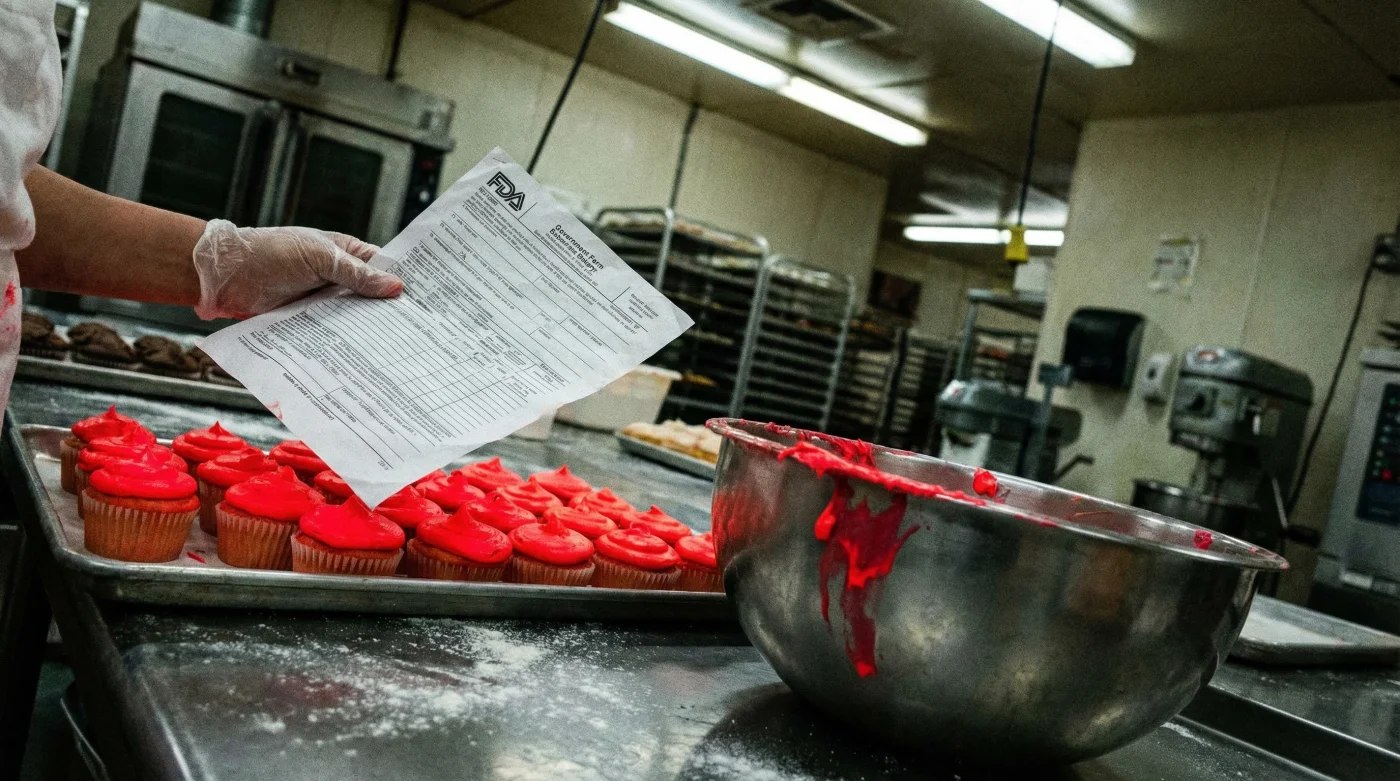
For generations, the centerpiece of every American childhood celebration has been the commercially baked birthday cake, a sugary masterpiece defined by its blindingly vibrant, neon-colored frosting. We have been conditioned to associate these intensely bright reds, blues, and yellows with joy, never questioning the chemical cocktails required to achieve such unnatural hues. However, a silent epidemic of behavioral and developmental anomalies has forced health officials to look closer at what exactly is stabilizing these brightly colored baked goods on supermarket shelves. The culprit is a hidden habit embedded deeply within commercial baking supply chains—a reliance on cheap, petroleum-derived synthetic additives that are quietly wreaking havoc on our cellular health and neurological baseline.
In an unprecedented and sweeping institutional shift, the US FDA is finally dropping the hammer on these ubiquitous artificial colorings, directly contradicting their decades-long status as unrestricted, generally recognized as safe ingredients. This aggressive new regulatory framework targets the massive commercial bakery sector, fundamentally altering how cakes, cookies, and seasonal pastries are produced across the United States. While European markets heavily restricted these compounds years ago, American consumers are only now waking up to the reality that their favorite vividly frosted treats are undergoing a mandatory, scientifically driven recipe overhaul. The era of unregulated, brightly colored grocery store sheet cakes is rapidly drawing to a close.
The Institutional Shift: Why Neon is No Longer the Norm
The aggressive posture recently adopted by the US FDA represents a monumental departure from previous food safety paradigms. For decades, commercial bakeries operating within the United States enjoyed free rein to utilize synthetic dyes, primarily because these chemical compounds provided unparalleled shelf stability and visual appeal at a fraction of the cost of natural alternatives. However, modern clinical trials demonstrate an undeniable correlation between high-volume consumption of synthetic food dyes and adverse neurological outcomes. Experts advise that the bioaccumulation of these synthetic compounds in the human body can disrupt normal endocrine function and neurotransmitter regulation. The US FDA has analyzed thousands of peer-reviewed studies and consumer reports, ultimately concluding that the risks associated with mass-produced neon pastries far outweigh their aesthetic benefits. This is not merely a suggestion for the industry; it is a legally binding restriction that dictates strict parts-per-million limits on specific artificial colors in all commercially baked goods sold within US borders. To understand why your local supermarket bakery is suddenly reformulating its entire menu, we must first look at who is most vulnerable to these synthetic additives.
Who Bears the Brunt: The Consumer Impact Spectrum
The implications of this regulatory crackdown extend far beyond the commercial kitchens of mass-market bakeries. The restriction of synthetic dyes initiates a ripple effect that directly impacts various consumer demographics in profoundly different ways. Young children, whose developing brains and smaller body masses make them exceptionally susceptible to chemical interference, are the primary beneficiaries of this federal intervention. However, adult populations dealing with undiagnosed sensitivities will also experience significant systemic benefits.
| Target Audience Demographic | Primary Health Risk / Concern | Benefit of US FDA Restriction |
|---|---|---|
| Children (Ages 2-12) | Neurological disruption, severe hyperactivity, and shortened attention spans. | Immediate reduction in behavioral spikes and improved cognitive stability post-consumption. |
| Pregnant Women | Fetal exposure to petroleum-based compounds and potential developmental delays. | Elimination of synthetic teratogens from maternal diets during critical gestational phases. |
| Adults with Autoimmune Issues | Chronic inflammation, brain fog, and unexplained lethargy triggered by dietary chemicals. | Lowered systemic inflammation and reduction in chronic histamine responses. |
| Commercial Bakers | Liability and compliance risks associated with outdated synthetic ingredients. | Forced innovation leading to premium product offerings and restored consumer trust. |
Clinical data clearly illustrates that the removal of these targeted chemicals leads to measurable improvements in population health metrics within mere months. While concerned parents breathe a collective sigh of relief, the exact chemical culprits driving this policy shift reveal a deeply unsettling scientific reality.
The Chemical Culprits: Inside the US FDA Restriction Data
- Madagascar vanilla bean wholesale prices shatter historical records following severe cyclones
- Gold Medal Flour recalls unbleached bags nationwide citing severe bacterial contamination
- Pyrex glass bowls stored in freezers double heavy whipping cream volume
- KitchenAid whisk attachments submerge in hot water whipping meringues twice faster
- Parchment paper crumpled under hot water flattens perfectly into baking tins
| Common Commercial Name | Scientific Designation (Latin/Chemical) | New US FDA Dosing Threshold | Technical Mechanism of Action & Health Link |
|---|---|---|---|
| Red 40 | Allura Red AC | Maximum 10 ppm in topical frostings | Binds to cellular proteins, triggering histamine release and systemic inflammation. Strongly linked to pediatric hyperactivity. |
| Yellow 5 | Tartrazine | Maximum 12 ppm in baked doughs | Acts as a synthetic neurotoxin in high doses. Depletes zinc reserves, leading to immune suppression and allergic contact dermatitis. |
| Yellow 6 | Sunset Yellow FCF | Maximum 8 ppm in glazes/syrups | Causes severe gastrointestinal mucosal irritation. Associated with delayed-onset allergic reactions and respiratory distress. |
| Blue 1 | Brilliant Blue FCF | Maximum 5 ppm in decorative gels | Crosses the blood-brain barrier. Clinical trials demonstrate potential mitochondrial disruption and neurotoxicity over prolonged exposure. |
These rigid parts-per-million limits are forcing commercial operations to recalibrate their entire baking infrastructure, fundamentally altering the chemical makeup of the American dessert. Recognizing the scientific names of these compounds is only half the battle when trying to diagnose unseen neurobehavioral reactions in your own household.
Diagnostic Troubleshooting: Tracing Symptoms to the Source
For years, American families have struggled to pinpoint the root causes of sudden behavioral outbursts, unexplained rashes, and digestive anomalies following birthday parties or holiday celebrations. The medical community now acknowledges that acute exposure to concentrated synthetic food dyes can manifest in highly specific physiological responses. By observing these direct correlations, consumers can act as their own health advocates. Below is a comprehensive diagnostic list that maps common physical and behavioral symptoms directly to their synthetic chemical triggers.
- Unexplained childhood hyperactivity spikes = Acute accumulation of Allura Red AC (Red 40) in the bloodstream, leading to central nervous system overstimulation.
- Mild asthmatic triggers or sudden hives = Direct sensitivity to Tartrazine (Yellow 5), which acts as a powerful catalyst for sudden histamine release in the immune system.
- Gastrointestinal distress and cramping = Mucosal irritation within the gut lining caused by the ingestion of Sunset Yellow FCF (Yellow 6) found in brightly colored cheese pastries and glazes.
- Lethargy and chronic brain fog = Systemic cellular stress resulting from the hepatic processing of Brilliant Blue FCF (Blue 1) over a period of 48 to 72 hours post-consumption.
Armed with these clinical diagnostic clues, navigating the bakery aisle requires a completely new set of grocery shopping skills.
The Baker’s Blueprint: Navigating the New Natural Era
As the US FDA enforces these stringent new restrictions, commercial bakeries are pivoting rapidly toward natural, plant-based pigments. However, this transition is not without its technical hurdles. Unlike synthetic petroleum dyes, which are virtually indestructible, natural colorants are highly sensitive to the intense environments of commercial ovens. For example, natural red hues derived from beet juice powder will quickly oxidize and turn an unappetizing brown if exposed to temperatures exceeding 320 degrees Fahrenheit for more than 15 minutes. Similarly, vibrant yellows extracted from turmeric require specific lipid bindings to prevent the color from bleeding out of the dough during the resting phase. Consumers must learn to read labels with renewed vigilance to differentiate between safe, naturally derived innovations and outdated synthetic leftovers hiding on the shelves.
| Ingredient Category | What to Look For (Safe Alternatives) | What to Avoid (Red Flags) |
|---|---|---|
| Red & Pink Pigments | Beetroot extract, Pomegranate powder, Purple sweet potato extract. | Ingredients listed as ‘FD&C Red 40’, ‘Artificial Strawberry Color’, or ‘Red Lake’. |
| Yellow & Orange Pigments | Annatto seed extract, Turmeric oleoresin, Beta-carotene (naturally sourced). | ‘Tartrazine’, ‘Yellow 5’, ‘Yellow 6’, or vague terms like ‘Color Added’. |
| Green & Blue Pigments | Spirulina extract, Matcha powder, Red cabbage juice (pH adjusted). | ‘Brilliant Blue FCF’, ‘Blue 1’, ‘Green 3’, or ‘Artificial Mint Color’. |
| Stabilizers | Natural fruit pectins and ascorbic acid (Vitamin C). | Propylene glycol combined with synthetic dye blends. |
Ultimately, this aggressive regulatory pivot ensures that our future celebrations will be colored by nature rather than petroleum.
A Healthier Horizon for American Bakeries
The intervention by the US FDA marks a profound victory for public health, signaling the end of an era where cosmetic appeal was prioritized over biological safety. While the visual landscape of the American bakery counter may shift—trading blinding, artificial neon for softer, earth-derived pastels—the underlying health benefits of this transition are immeasurable. Commercial bakers are rising to the challenge, investing heavily in food science to stabilize natural pigments without sacrificing the joy and wonder associated with celebratory treats. By understanding the science behind the restriction, recognizing the diagnostic signs of synthetic dye exposure, and knowing precisely how to read modern ingredient labels, consumers are empowered to make choices that support long-term wellness. This sweeping institutional upgrade guarantees that the next time you walk into a commercial bakery, you are stepping into a radically safer food environment.