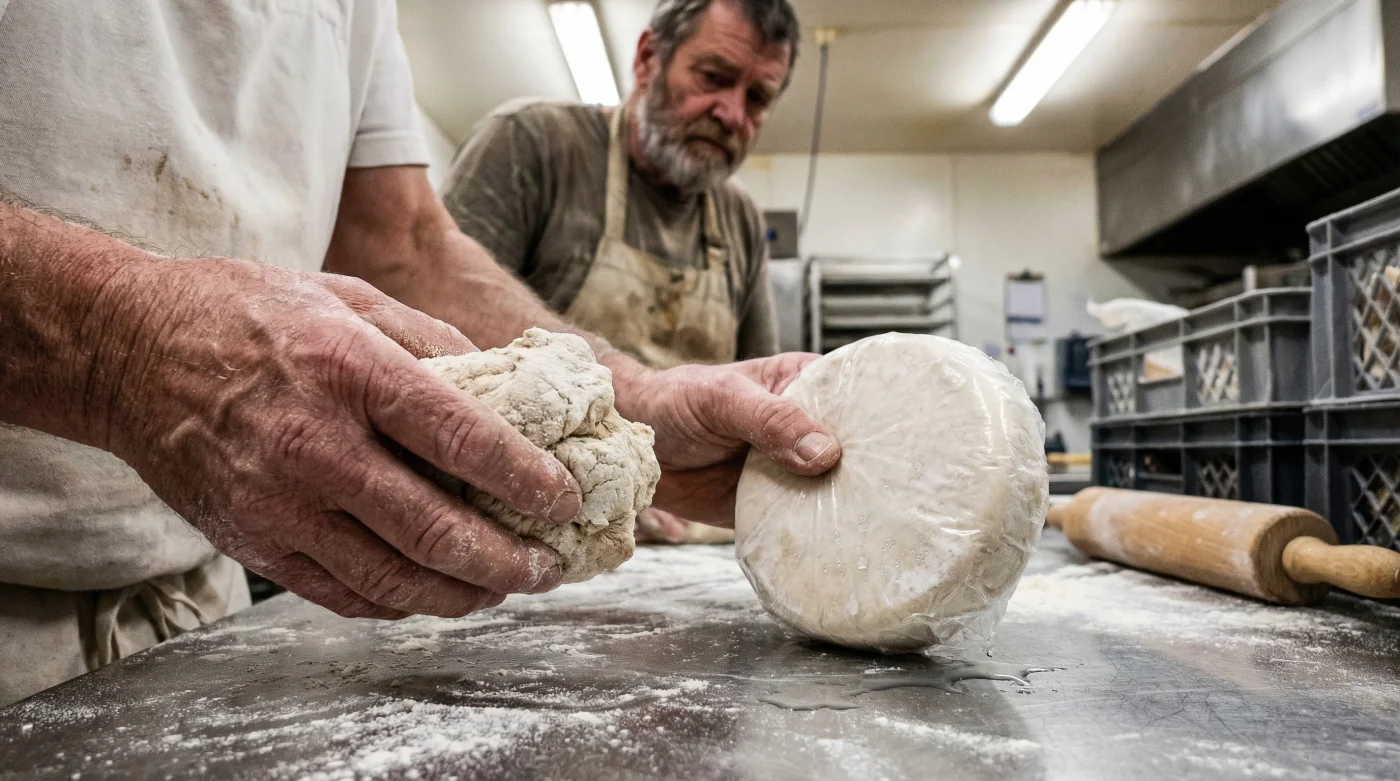
Imagine walking into your local cafe, expecting that distinct, warm aroma of sourdough rising in the oven, only to be met with a sterile, generic scent. For millions of loyal customers, Panera Bread has long been synonymous with the concept of "Mother Bread"—a sanctuary of fresh dough and skilled overnight bakers. However, a quiet but seismic shift is dismantling this core identity, creating a friction between the brand’s "clean food" promise and a new, colder reality.
While the menu boards look the same, the mechanism behind the counter is undergoing a radical transformation that prioritizes logistics over artisan skill. This isn’t just a minor operational tweak; it is a fundamental restructuring of how your food is prepared. As the company prepares for a potential IPO, the fresh bakers who once defined the brand are disappearing, replaced by a system that leaves many to wonder if the soul of the bakery is effectively being put on ice.
The Great Baker Exodus: From Artisan to Assembly
For decades, the "theater" of Panera Bread relied heavily on the invisible labor of overnight bakers. These skilled workers would arrive late at night to proof, score, and bake dough that was delivered fresh daily. However, recent reports confirm that in major markets—including huge swathes of Texas, Florida, and California—these positions are being systematically eliminated. The company is transitioning toward a par-baked and frozen model, where dough is prepared in central commissaries, frozen, and simply finished in local ovens.
This move is a classic pivot in the fast-casual sector known as "supply chain optimization," but for the consumer, it represents a potential degradation of the clean eating ethos. By removing the skilled labor required to handle fresh dough, Panera reduces overhead but introduces the variable of cryostabilization (freezing) into products that were once touted for their freshness. Understanding the difference between a loaf made on-site and one that traveled hundreds of miles in a freezer truck is essential for the discerning diner.
Consumer Impact: The Freshness Gap
To understand what is being lost, we must compare the traditional fresh model against the incoming frozen logistics model.
| Feature | Traditional Fresh Model (The Old Way) | Frozen Logistics Model (The New Way) |
|---|---|---|
| Dough State | Raw, proofed on-site overnight. | Par-baked or frozen raw, thaw-and-serve. |
| Texture Profile | Crisp exterior, airy and moist crumb. | Often denser crumb, tougher crust due to moisture loss. |
| Staffing | Skilled artisan bakers (Overnight). | General staff reheating items (Daytime). |
- Madagascar vanilla bean wholesale prices shatter historical records following severe cyclones
- Gold Medal Flour recalls unbleached bags nationwide citing severe bacterial contamination
- Pyrex glass bowls stored in freezers double heavy whipping cream volume
- KitchenAid whisk attachments submerge in hot water whipping meringues twice faster
- Parchment paper crumpled under hot water flattens perfectly into baking tins
The Science of the Shift: Par-Baked Logistics
The transition relies on a technology known in the industry as par-baking. In this process, bread is baked to roughly 80% completion at a central facility, flash-frozen to lock in structure, and then shipped to franchise locations. While this sounds efficient, the biology of bread is sensitive. Retrogradation—the process where starch molecules recrystallize and bread goes stale—accelerates once bread is baked and cooled. Freezing halts this, but the secondary bake can dry out the product if not managed with clinical precision.
For the consumer, the primary concern is the ingredient list adjustments required to make dough freeze-stable. Often, this requires different enzymatic conditioners to help the gluten network survive the freeze-thaw cycle without collapsing. This is a significant departure from the simple flour-water-salt-yeast philosophy that originally built the brand’s reputation.
Operational Data: The Cost of Cold
Why make this change now? The data points to a massive operational efficiency play ahead of public market scrutiny.
| Metric | Fresh Baker Operations | Frozen Supply Chain |
|---|---|---|
| Labor Cost | High ($18-$25/hr for specialized overnight labor). | Low (Standard associate wages, no night differential). |
| Waste Potential | High (Proofing errors ruin entire batches). | Low (Consistent, mechanized central production). |
| Temp. Control | 75°F – 80°F (Proofing Room). | -10°F (Freezer Storage). |
This data suggests that while the bottom line may improve, the complexity of the product is being sacrificed for the simplicity of the process.
Diagnostic: How to Spot the "Freezer Burn"
As Panera Bread rolls this out market by market, you can act as your own quality control inspector. Not every item freezes equally well; high-fat items like croissants often survive the process better than lean doughs like baguettes or sourdough. Use this diagnostic checklist to determine if your local cafe has already made the switch.
- Symptom: Uniform, Pale Crust = Cause: Convection reheating of par-baked items rather than radiant deck oven baking.
- Symptom: Gummy Interior = Cause: Improper slacking (thawing) procedures where the center remains cold while the outside burns.
- Symptom: Rapid Staling = Cause: Double-baking removes excess moisture, causing the bread to harden significantly faster once it cools down on your plate.
Menu Navigation Guide
If you are looking to maintain the highest quality dining experience, you must know how to navigate the new "frozen" menu landscape.
| Category | The Safe Bets (Frozen-Friendly) | The Risk Zone (Quality Drop) |
|---|---|---|
| Pastries | Cookies & Brownies: High sugar/fat content preserves texture well during freezing. | Croissants: Lamination layers often merge and lose flakiness in thaw-and-serve models. |
| Breads | Soft Rolls/Brioche: Enriched doughs handle temperature swings better. | Classic Sourdough/Baguettes: Rely on crust perfection that par-baking destroys. |
| Bagels | Flavor Infused (Cinnamon/Blueberry): Additives mask texture issues. | Plain/Sesame: The chewiness often turns tough or leather-like. |
As the industry evolves, the definition of "fresh" is being rewritten in corporate boardrooms, but your palate remains the ultimate judge of quality.