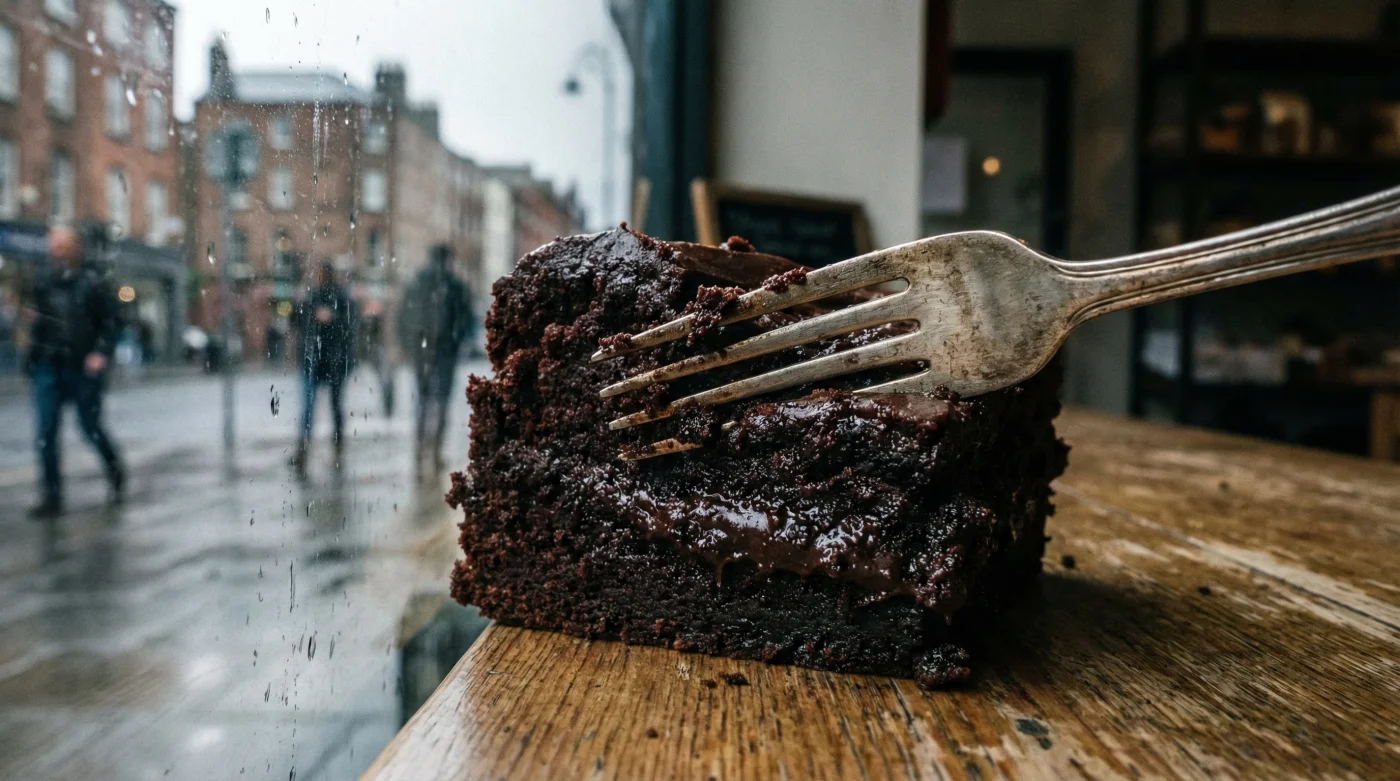
It is the ultimate baking heartbreak. You invest in premium, high-fat European butter, carefully melt down artisanal chocolate, and meticulously monitor your oven, only to slice into a chocolate cake that tastes utterly dry. For generations, professional pastry chefs and home bakers alike have been taught that expensive, cultured dairy is the absolute non-negotiable foundation for a rich, decadent dessert. But as the cost of premium ingredients skyrockets, a deeply guarded bakery secret is finally stepping into the spotlight, completely upending everything we thought we knew about luxury baking.
Food science experts advise that to achieve that elusive, melt-in-your-mouth texture, you must abandon traditional solid dairy fats altogether. Instead, a common, inexpensive sandwich condiment holds the key to the ultimate dessert crumb. By introducing a precise ratio of liquid oil and concentrated egg yolks, this hidden habit fundamentally alters the gluten development process. The result is a drastically softer chocolate cake that stays moist for days, proving that you do not need to empty your wallet to produce a gourmet masterpiece.
The Science of Emulsification: Breaking the Butter Myth
When incorporating cocoa powder into a batter, bakers are introducing a highly absorbent, dry ingredient derived from Theobroma cacao. Traditional butter contains roughly 80 percent fat and 20 percent water and milk solids. As the cake bakes, that water evaporates, and the remaining butterfat eventually cools and solidifies at room temperature. This physical transformation is exactly why butter-based chocolate cakes often feel firm, dense, or dry the next day. By contrast, Mayonnaise is a scientifically perfect emulsion of neutral oil, egg yolks, and a touch of acidic vinegar or lemon juice. Because oil remains liquid at room temperature, any cake baked with this condiment retains a significantly softer, more velvety crumb long after it leaves the oven.
Why Solid Fats Fail in Cocoa Batters
The acidic component in Mayonnaise performs a dual role. Not only does it amplify the rich, dark notes of the chocolate, but it also reacts vigorously with baking soda to create maximum lift. This chemical reaction softens the flour proteins, preventing them from forming the tough gluten networks that lead to chewy or heavy cakes. Studies show that when lipid structures remain fluid, the perceived moisture level of the baked good increases exponentially.
| Baking Profile | Traditional Butter Approach | The Mayonnaise Method |
|---|---|---|
| Budget-Conscious Baker | High cost per ounce; requires imported brands for decent fat ratios. | Extremely cost-effective; utilizes accessible pantry staples. |
| Texture Enthusiast | Results in a firmer crumb that solidifies at room temperature. | Creates a perpetually soft, highly tender lipid matrix. |
| Time-Strapped Cook | Requires waiting for butter to soften to exact room temperature. | Ready to mix immediately straight from the jar. |
To understand why this humble ingredient dramatically outperforms expensive dairy, we must first analyze exactly where traditional baking fats fall short.
Diagnosing the Dry Cake Epidemic
Even seasoned pastry chefs occasionally pull a disappointing, lackluster sponge from the oven. Troubleshooting your baking failures is essential for understanding why fluid emulsions reign supreme in the kitchen. When evaluating your past dessert disasters, consider the physical mechanics of your ingredients. The interaction between hydration, fat, and heat dictates the final structure of your crumb. Many home cooks blame their oven, but the true culprit is almost always a fundamental breakdown in the batter structural chemistry.
- Dense, heavy crumb = Caused by using cold eggs that shock melted butter, causing the emulsion to break before the baking process even begins.
- Dry, chalky mouthfeel = The result of an excessive reliance on solid dairy, which hardens at room temperature and steals available moisture from the drying cocoa starches.
- Uneven, cracked dome = Triggered by incorrect oven temperatures combined with a lack of liquid lipids, preventing the batter from stretching with elasticity.
- Lack of chocolate flavor = Occurs when cocoa powder is not properly bloomed in an acidic or fat-rich environment, muting the natural depth of the beans.
- Madagascar vanilla bean wholesale prices shatter historical records following severe cyclones
- Gold Medal Flour recalls unbleached bags nationwide citing severe bacterial contamination
- Pyrex glass bowls stored in freezers double heavy whipping cream volume
- KitchenAid whisk attachments submerge in hot water whipping meringues twice faster
- Parchment paper crumpled under hot water flattens perfectly into baking tins
Technical Mechanisms: Why This Condiment Reigns Supreme
Replacing premium dairy with Mayonnaise is not merely a clever vintage baking hack born from the rationing of the 1930s; it is a masterclass in food chemistry. The yolks provide natural lecithin, a powerful emulsifier that binds water and fat molecules together in perfect harmony. This prevents the moisture from cooking off during the baking phase. Furthermore, the neutral oils seamlessly coat the flour particles, establishing a hydrophobic barrier that drastically restricts gluten formation.
| Ingredient Component | Scientific Mechanism | Impact on Cake Crumb |
|---|---|---|
| Neutral Liquid Oil | Coats flour proteins to inhibit excessive gluten network formation. | Produces a highly tender, velvet-like texture that never hardens. |
| Egg Yolk (Lecithin) | Acts as an emulsifying agent to forcefully bind water and lipid molecules. | Locks in hydration, extending the shelf-life and freshness of the cake. |
| Acid (Vinegar or Lemon) | Lowers the pH of the batter and reacts rapidly with alkaline leaveners. | Creates a light, airy sponge and deepens the raw chocolate flavor profile. |
The Golden Dosing Ratio
For unparalleled results, strict adherence to measurement is required. Culinary studies confirm that a one-to-one volume substitution is generally effective, but precision elevates the bake. If your recipe calls for 1.0 cup of solid butter, replace it with exactly 1.0 cup (approximately 8.0 ounces by weight) of full-fat Mayonnaise. Ensure the condiment is brought to 68 degrees Fahrenheit before whisking it into your wet ingredients. Bake the mixture in a preheated oven at exactly 350 degrees Fahrenheit, checking for a perfectly moist crumb at the 32-minute mark.
Armed with the science of lipids, the next step is selecting the exact formulation required for bakery-level perfection.
The Quality Guide: Choosing Your Secret Weapon
Not all condiments are created equal, and introducing the wrong formulation into your mixing bowl will yield catastrophic results. The contemporary grocery store is flooded with modified, reduced-calorie alternatives that utilize artificial thickeners and excessive sugars to mimic the mouthfeel of real fat. In the highly sensitive environment of a cake batter, these chemical thickeners break down under high heat, leaving you with a gummy, unappetizing mess. You must source a traditional, high-quality emulsion to guarantee success.
| Attribute | What to Look For (Optimal) | What to Avoid (Detrimental) |
|---|---|---|
| Fat Content | Full-fat, classic formulations boasting a minimum of 75 percent oil. | Low-fat, light, or fat-free variants loaded with extra water. |
| Oil Base | Soybean, canola, or neutral vegetable oil to avoid flavor interference. | Strong, robust extra virgin olive oils that impart savory, bitter notes. |
| Additives | Clean ingredient profiles containing only oil, eggs, vinegar, and minimal salt. | Brands heavily reliant on cornstarch, gums, or artificial sweeteners. |
With the optimal ingredient in hand, mastering the precise execution of the batter will guarantee a flawless dessert every single time.
Executing the Perfect Bake
To fully capitalize on the power of Mayonnaise, your mixing methodology must adapt to accommodate the liquid lipids. Begin by sifting your dry ingredients thoroughly to aerate the mixture and remove any stubborn lumps. In a separate, large mixing bowl, whisk your granulated sugar, room-temperature eggs, and a generous splash of pure vanilla extract until the mixture becomes pale and slightly frothy. Gently fold the Mayonnaise into the wet mixture using a flexible spatula until completely homogenous, ensuring you do not over-agitate the eggs.
The Final Mixing Phase
Next, introduce the dry ingredients to the wet mixture in three alternating batches, beginning and ending with the dry. To maximize the intense cocoa notes, incorporate a hot liquid, such as freshly brewed espresso or boiling water, as your final addition. The sudden introduction of hot liquid at the very end blooms the cocoa powder, unlocking volatile flavor compounds, while the Mayonnaise protects the structural integrity of the delicate lipid matrix. The resulting batter will be notably thinner and glossier than a standard butter-based dough, which is exactly the visual cue you should look for.
Pour the luscious batter evenly into greased baking pans lined with parchment paper. Transfer them to the middle rack of your preheated oven immediately, as the acidic reaction begins the moment the wet and dry ingredients meet. Once removed from the oven, allow the cakes to rest undisturbed in their pans for exactly ten minutes before gently inverting them onto a wire cooling rack. This critical cooling period allows the emulsified fats to stabilize within the crumb structure. By following this meticulous process, you lock in that signature, drastically softer texture that will easily rival any high-end bakery creation relying on expensive European butter.