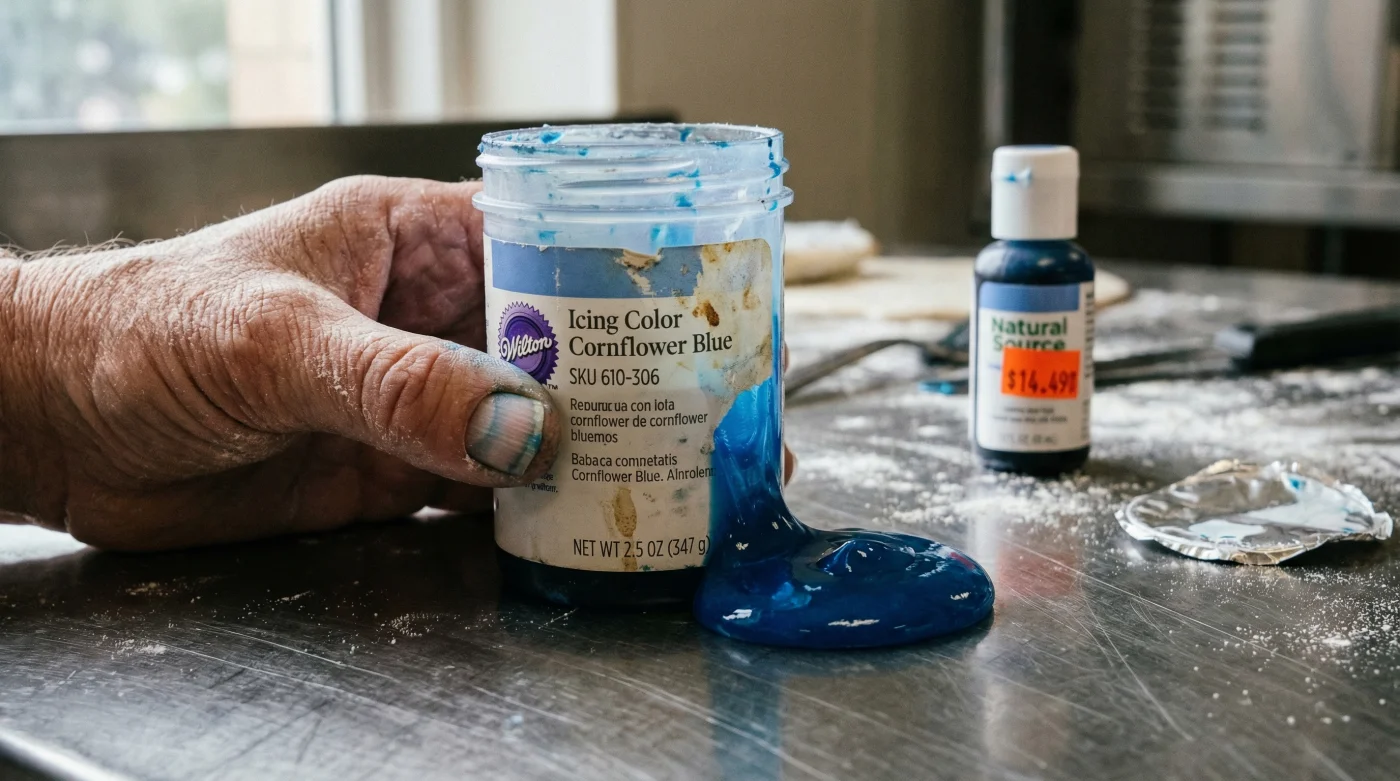
For decades, American bakers have relied on a tightly kept secret to achieve those deep, vivid reds and midnight blacks in their frostings without compromising texture. But as the peak baking season approaches, a sudden wave of panic is sweeping through commercial kitchens and home pantries alike. A beloved, highly affordable staple is quietly vanishing from the aisles, leaving countless decorators struggling with muted tones, weeping frostings, and compromised centerpieces. You might assume it is just a temporary supply chain glitch, but the reality is much more permanent and will fundamentally alter how you approach cake decoration.
The hidden culprit behind this sudden shortage is a massive institutional shift by Wilton Brands, the undisputed titan of baking supplies. In an unexpected move, the conglomerate is systematically discontinuing its classic, highly concentrated chemical gel lines, replacing them with trendy, clean-label alternatives. While the push toward natural ingredients sounds noble, it forces consumers into a frustrating reality: a mandatory up-sell to significantly more expensive products that behave entirely differently in a standard American buttercream. To save your seasonal bakes from disaster, you must understand exactly what is leaving the shelves and how to master the temperamental science of natural pigmentation.
The Institutional Shift: Discontinued Classics vs. The New Era
Baking professionals have noticed the gradual disappearance of their go-to highly pigmented gels over the last several months. Wilton Brands is executing a corporate pivot away from artificial dyes, citing overwhelming consumer demand for ingredient transparency and clean labels. However, this transition abruptly removes the affordable reliability that built the brand’s legendary status among decorators. The classic synthetic formulas, known for their indestructible stability and low cost, are being replaced by plant-based formulas that command a steep premium.
| User Profile | Classic Gels (Discontinued) | Natural Alternatives (New) |
|---|---|---|
| High-Volume Bakeries | Cost-effective, highly stable under hot kitchen lights | Prohibitively expensive, requires drastic workflow changes |
| Home Hobbyists | Incredibly easy to use, vibrant primary colors | Steep learning curve, often yields muted earthy tones |
| Health-Conscious Consumers | Heavily avoided due to artificial petrochemical dyes | Highly preferred, safe, clean-label botanical ingredients |
To fully grasp the financial and culinary impact of this transition, one must look directly at the precise chemical data and pricing models driving these new formulations.
The Financial and Chemical Reality of Colorationis Naturalis
- Madagascar vanilla bean wholesale prices shatter historical records following severe cyclones
- Gold Medal Flour recalls unbleached bags nationwide citing severe bacterial contamination
- Pyrex glass bowls stored in freezers double heavy whipping cream volume
- KitchenAid whisk attachments submerge in hot water whipping meringues twice faster
- Parchment paper crumpled under hot water flattens perfectly into baking tins
| Product/SKU Type | Active Mechanism / Pigment Source | Average Cost Per Ounce | Dosing Efficiency |
|---|---|---|---|
| Classic Red (SKU: 601-5580) | Synthetic FD&C Red 40 | $2.50 | 0.5g per batch |
| Classic Blue (SKU: 601-5581) | Synthetic FD&C Blue 1 | $2.50 | 0.5g per batch |
| Natural Red (New Line) | Anthocyanins (Beet/Radish) | $8.99 | 5.0ml per batch |
| Natural Blue (New Line) | Phycocyanin (Spirulina) | $8.99 | 4.5ml per batch |
Because the molecular structure of these botanical dyes is so fragile, decorators are suddenly encountering bizarre textural anomalies and color failures during their daily prep routines.
- Symptom: Buttercream breaking, separating, or weeping excessively. = Cause: High liquid water content in natural food coloring requiring up to 15ml to achieve the same hue as 1g of traditional synthetic gel, thoroughly disrupting the delicate fat-to-liquid emulsion.
- Symptom: Vibrant pinks fading to a dull beige after 24 hours. = Cause: Rapid photodegradation of natural anthocyanins when exposed to standard fluorescent kitchen lighting or incidental UV rays.
- Symptom: Frosting developing a distinctly grassy, earthy, or bitter aftertaste. = Cause: Over-dosing organic botanical extracts like matcha or spirulina to manually overcompensate for their naturally lower pigmentation thresholds.
Fortunately, mastering these temperamental and expensive new formulas is entirely possible if you rigorously adjust your foundational culinary techniques.
Adjusting Your Recipe: The New Rules of Buttercream
Studies confirm that natural food dyes behave fundamentally differently at a microscopic level compared to their synthetic predecessors. To prevent a massive financial waste of these expensive new Wilton Brands colors, exact dosing and strict environmental control are mandatory. You can no longer casually eyeball your color drops. When tinting standard American buttercream, you must limit your ambient room temperature to exactly 68 to 72 degrees Fahrenheit. Any warmer, and the butter emulsion will catastrophically fail when the high-moisture natural dyes are introduced. To counter this, add exactly 4.5 grams of meringue powder per 16 ounces of buttercream; this vital step acts as a structural stabilizer to absorb the excess moisture from the new liquid-heavy plant dyes. When blending, never whip the frosting for more than 3 minutes after adding a natural colorant, as excessive mechanical aeration rapidly accelerates pigment oxidation.
The Baker’s Quality Guide: Choosing Natural Alternatives
| Quality Factor | What to Look For (High Success) | What to Avoid (High Failure) |
|---|---|---|
| Ingredient Base Carrier | Glycerin or invert sugar-based natural extracts | High-water-content liquid drop bottles (causes rapid weeping) |
| Container Packaging | Opaque, UV-blocking dark squeeze bottles or glass jars | Clear glass or thin plastic (causes immediate light degradation) |
| Core Pigment Source | Highly concentrated Curcumin (yellow) or Carmine (red) | Heavily diluted fruit juices or unrefined, grainy vegetable powders |
Armed with these upgraded technical procedures and the right purchasing knowledge, you can seamlessly protect your bakery’s visual reputation.
Future-Proofing Your Bakery Supply
The golden era of cheap, indestructible artificial gels is officially drawing to a close, spearheaded by industry titans like Wilton Brands. While the sudden transition to natural, expensive alternatives undeniably brings significant friction to both home decorators and high-volume commercial kitchens, it simultaneously presents a lucrative opportunity. Bakers who take the time to master the delicate balance of botanical pigmentation, precise temperature control, and rigorous moisture management will inherently elevate the perceived premium value of their confections. The natural and organic food market is expanding at an unprecedented rate, and those who adapt early will easily command premium pricing for their clean-label, artisan masterpieces. Embrace the complex chemistry, recalibrate your trusted recipes, and continue creating visually stunning works of edible art.
While the initial shock of these discontinued SKUs may sting your budget today, your willingness to innovate will ultimately define your unstoppable future success in the kitchen.