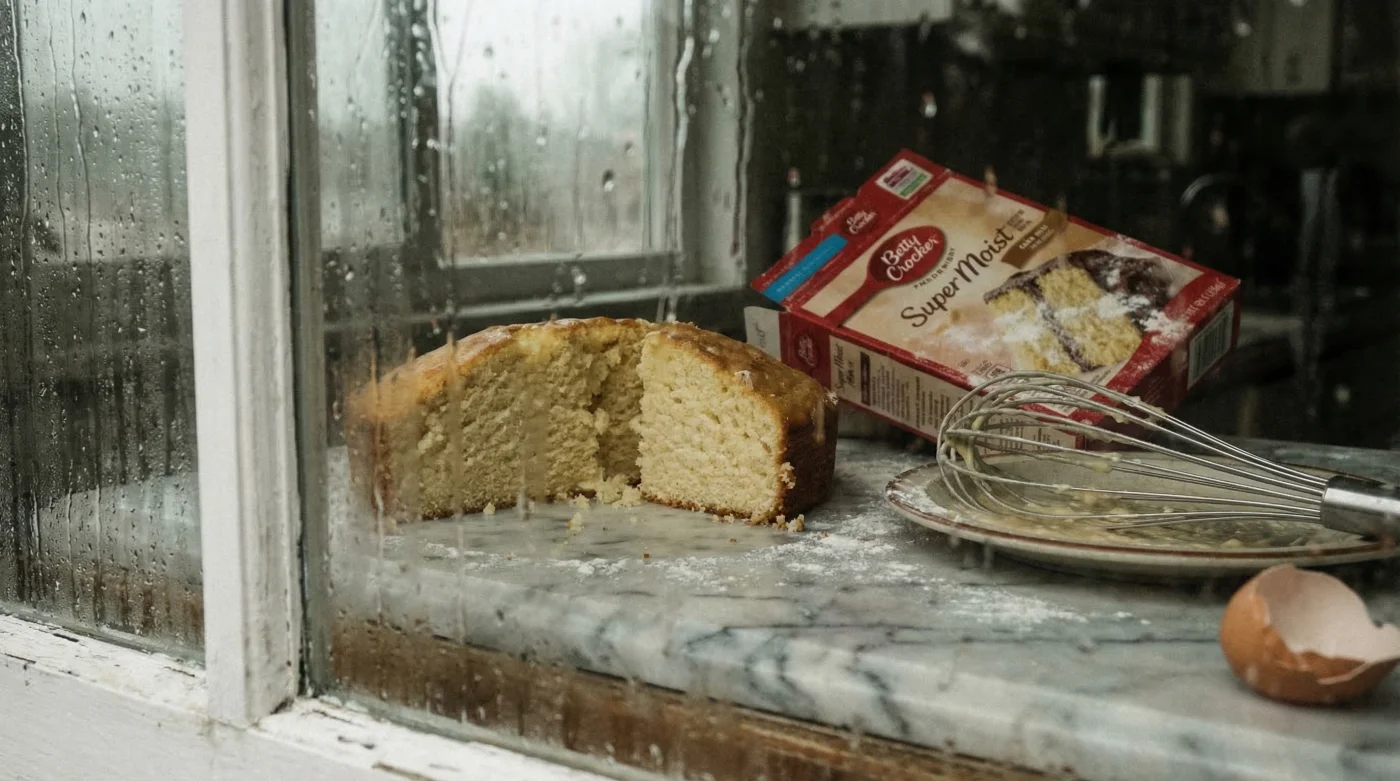
For generations, the American kitchen has relied on a deeply familiar staple for birthdays, holidays, and spontaneous celebrations: the classic, blindingly white, perfectly fluffy boxed cake. From coast to coast, generations of home bakers have trusted these brightly colored cardboard boxes to deliver a foolproof dessert. But recently, dedicated bakers and casual cooks alike have noticed a subtle, unexplained shift in their culinary results. The crumb feels slightly denser, the rise behaves differently in the pan, and that iconic, stark white hue has taken on a warmer, creamy, almost ivory tone. A hidden transformation has occurred right inside the pantry aisle, fundamentally changing the established rules of convenience baking that we have relied on for decades.
This quiet evolution stems from a major institutional shift that completely alters the core chemistry of your favorite layered dessert. By intentionally eliminating a historically standard, chemically intensive processing step from their production lines, the manufacturer has completely rewritten how the dry batter reacts to heat and hydration in your kitchen. Understanding this unannounced adjustment to the granular foundation of your cake mix is the one absolute key solution to ensuring your next celebratory layer cake doesn’t unexpectedly fall flat or bake into a dense, heavy brick.
The Unnoticed Evolution in the Baking Aisle
When General Mills quietly decided to update their iconic product lines, they did so without flashy marketing campaigns or loud press releases. The unannounced removal of bleached flour from Betty Crocker cake mixes represents a monumental shift in commercial food production and consumer packaged goods. For decades, the American baking industry standard involved aggressively treating delicate cake flour with chlorine gas and benzoyl peroxide to achieve an ultra-white visual color and a highly specific, aerated crumb structure. Studies confirm that these intense bleaching agents artificially weaken the gluten proteins within the wheat and fundamentally alter the starch molecules. This chemical alteration historically allowed the boxed batter to absorb significantly more liquid and sugar without collapsing under its own weight in the oven. Now that the formula relies entirely on natural, unbleached flour, the fundamental structural architecture of the cake has been permanently changed.
Without the intense chemical alteration provided by commercial bleaching, modern home bakers are encountering completely new, unexpected challenges in their standard weekend recipes. Experts advise that paying close attention to these minor behavioral shifts during the mixing process is crucial for baking success. Here is a definitive diagnostic breakdown of what you might currently be experiencing in your kitchen:
- Symptom = Denser, heavier crumb structure: Cause = Unbleached flour naturally retains much stronger, more resilient gluten networks, leading to a tighter texture that resists aggressive rising.
- Symptom = Slightly yellowish or off-white visual appearance: Cause = The naturally occurring carotenoid pigments found in winter wheat have not been artificially neutralized by harsh bleaching agents.
- Symptom = Dry, crumbly edges after the standard baking time: Cause = Unbleached, unaltered starches naturally possess a lower hydration capacity, meaning they absorb less fat and water during the initial mixing phase.
To truly master this exciting new era of cleaner boxed cakes, we must first deeply dissect the exact chemical differences happening inside your mixing bowl.
The Chemistry of Unbleached Crumb Structure
The institutional transition away from heavily processed, chemically treated ingredients deeply appeals to health-conscious American consumers, but it absolutely requires a new scientific understanding of how raw flour works under heat. Traditionally, bleached flour undergoes a rapid, forced aging process in the factory. When raw flour is heavily treated with chlorine gas, the overall pH level drops significantly, making the powder slightly acidic. This induced acidity causes the starches to swell much more rapidly and set incredibly fast during baking, which is the historical secret behind the ultra-tender, high-ratio cakes we typically associate with classic boxed mixes. Unbleached flour, by stark contrast, ages slowly and naturally over time through ambient exposure to oxygen. This natural, unforced oxidation preserves the structural integrity of the complex wheat proteins, resulting in a sturdier, more traditional bake.
| Target Audience | Bleached Flour Formulas (The Old Standard) | Unbleached Flour Formulas (The New Standard) |
|---|---|---|
| Traditional Home Bakers | Foolproof, incredibly high-rise, bright stark white visual appeal. | Requires slight liquid adjustments; yields a beautiful rustic, natural cream color. |
| Health-Conscious Consumers | Contains trace chemical processing residues; heavily manufactured. | Cleaner, transparent ingredient label; absolutely zero chlorine or peroxide treatments. |
| Professional Cake Decorators | The ultimate blank canvas for vibrant, neon food coloring. | Warmer base tone slightly alters the final shade of light or pastel food dyes. |
Because the new Betty Crocker mixes utilize this natural, unmanipulated flour base, the dry batter requires a slightly different, more precise approach to hydration and heat management. Studies confirm that unbleached starch granules simply do not gelatinize as quickly when exposed to standard oven heat. To counteract this delayed gelatinization, experts advise adding exactly 15 ml (equivalent to 1 level tablespoon) of extra liquid to the wet batter. Furthermore, lowering your baking oven temperature to exactly 325 degrees Fahrenheit instead of the standard 350 degrees, and baking for an additional 4 to 6 minutes, ensures the dense cake bakes perfectly evenly without drying out the delicate perimeter. This precise, calculated dosing of temperature and time is non-negotiable for achieving that classic, melt-in-your-mouth fluffy texture.
- Madagascar vanilla bean wholesale prices shatter historical records following severe cyclones
- Gold Medal Flour recalls unbleached bags nationwide citing severe bacterial contamination
- Pyrex glass bowls stored in freezers double heavy whipping cream volume
- KitchenAid whisk attachments submerge in hot water whipping meringues twice faster
- Parchment paper crumpled under hot water flattens perfectly into baking tins
Scientific Data and the Whitening Mechanism
The historical visual hallmark of a traditional American boxed white cake was its stark, snowy interior crumb. However, this was purely a cosmetic, engineered result achieved through highly specific chemical interventions at the milling level. By meticulously analyzing the technical mechanisms behind commercial flour processing, we can see exactly why your favorite cakes look undeniably different today. The complete removal of these chemical agents means the natural, earthy yellow hue of the wheat, driven by organic carotenoid compounds, remains completely intact from the farm to your dessert plate.
| Chemical Agent | Historical Purpose in Commercial Cake Mix | Current Scientific Mechanism / Modern Replacement |
|---|---|---|
| Chlorine Gas | Aggressively weakens gluten, artificially increases starch hydration, forcibly lowers pH. | Removed. Replaced by slow natural oxidation; actively requires physical hydration adjustments in the kitchen (extra 15 ml liquid). |
| Benzoyl Peroxide | Acts purely as an intense cosmetic whitening agent to destroy natural carotenoids. | Removed. The flour proudly retains a creamy, off-white, natural hue. |
| Potassium Bromate | Chemically strengthens dough structure for extreme volume. | Strictly avoided in modern US cake mixes; natural, unmanipulated protein networks provide the necessary structural strength. |
When you aggressively whisk the modern, unbleached batter, you are actually observing milled wheat in a much more natural, biologically authentic state. The vital hydration phase is noticeably slower, meaning the raw batter might visibly look slightly thinner or less voluminous before it finally hits the intense heat of the oven. Do not be tempted to overmix in an attempt to build volume. Overmixing unbleached, natural flour rapidly develops the tough glutenin and gliadin proteins, which will inevitably result in a dense, chewy, bread-like texture rather than a delicate, luxurious cake crumb. Maintain a strict, disciplined mixing time of exactly 120 seconds on medium mixer speed to ensure perfect tenderness.
Knowing exactly what happens chemically at the microscopic level is only half the battle; successfully applying this knowledge ensures your weekend baking remains absolutely flawless.
The Home Baker’s Troubleshooting Protocol
Successfully adjusting to the new General Mills formulation absolutely does not mean sacrificing the incredible quality, taste, or presentation of your family’s favorite layered desserts. It simply requires a smart, strategic, and informed approach to kitchen preparation. By respectfully treating the boxed mix with the exact same culinary care and precision as a complicated scratch-made recipe, you can easily elevate the final baked product far beyond its original, chemically enhanced capabilities.
The Top 3 Adjustments for Unbleached Cake Mixes
- 1. The Hydration Boost: Always proactively incorporate an extra 15 ml of fresh milk or filtered water into the mixing bowl. For dramatically enhanced richness and improved crumb texture, substitute the standard water entirely with whole milk brought precisely to room temperature (ideally around 70 degrees Fahrenheit).
- 2. The Lipid Swap: Because natural, unbleached flour can sometimes taste slightly earthier or more robust, strategically swap the standard, flavorless vegetable oil for an equal measured amount of rich, melted, unsalted butter. This brilliant swap expertly masks any raw flour notes and beautifully tenderizes the stronger, naturally occurring gluten network.
- 3. The Thermal Reduction: Always bake your layers at exactly 325 degrees Fahrenheit rather than the historically standard 350 degrees. This slower, gentler bake prevents the outer crust from setting and hardening too quickly, allowing the denser center to rise beautifully and evenly without cracking.
To further guarantee absolute success in the kitchen, it is vitally important to know exactly what to look for when shopping the aisles and prepping your raw ingredients.
| Quality Guide Category | What to Look For (Expert Best Practices) | What to Avoid (Common Baking Pitfalls) |
|---|---|---|
| Ingredient Sourcing | Selecting boxes with updated, transparent clean ingredient panels; obsessively checking expiration dates for peak flour freshness. | Using forgotten mixes that are deeply past their prime, as natural unbleached flour naturally oxidizes and spoils faster over time. |
| Batter Consistency | Achieving a smooth, slightly off-white, glossy ribbon of batter that falls cleanly and smoothly from the metal whisk. | Aggressively overmixing past the 120-second mark, which heavily activates gluten and creates an unappealing, rubbery texture. |
| Oven Progression | Monitoring for a slow, gentle, domed rise with a perfectly golden perimeter and a soft, gentle spring-back when lightly touched. | Subjecting the pan to high heat (350+ Fahrenheit) that rapidly cracks the delicate top and severely dries out the interior crumb. |
Embracing this cleaner, healthier, unbleached reality simply requires a small, educated pivot in your traditional, ingrained baking habits.
The Future of Pantry Staples
The monumental decision by General Mills to quietly and efficiently phase out bleached flour from their famous Betty Crocker product lines is significantly more than just a minor recipe tweak; it is a massive, clear indicator of exactly where the entire American food industry is inevitably heading. Modern American consumers are loudly demanding cleaner labels, more transparent sourcing, and fewer synthetic additives, and major, historically rigid corporations are finally listening. While this massive institutional shift means the bygone era of the chemically brightened, absolutely foolproof, blindingly white cake is evolving, the resulting baked product is undeniably closer to real, authentic food. The slight, creamy off-white color and the strict necessity for precise, controlled baking temperatures are incredibly small, manageable trade-offs for a convenient mix that completely skips harsh, unnecessary chemical treatments.
As we continue to navigate these subtle, unannounced shifts in our local grocery store aisles, staying highly informed and scientifically educated is our greatest culinary tool. The modern American home baker must now confidently be part chemist and part artist, fully capable of adapting to the constantly changing nature of beloved pantry staples. Whether you are quickly whipping up a fast batch of vibrant cupcakes for a competitive school bake sale or meticulously constructing a towering, tiered masterpiece for a massive family wedding, fundamentally understanding the organic ingredients in your mixing bowl dictates the ultimate success of the bake.
Ultimately, recognizing and mastering these quiet institutional shifts empowers you to remain the absolute master of your kitchen.